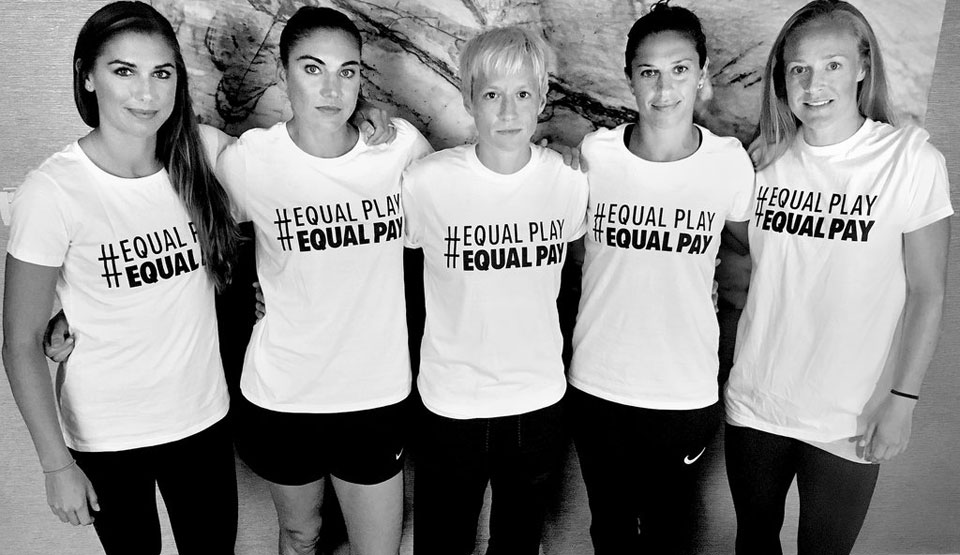
As I catenate the media on the United States Women’s National Soccer Team’s lawsuit against the United States Soccer Federation, I believe it best I address my biases beforehand. When, in sports, there is an issue between a team, player, or organization, I’m predisposed to side with the player(s). I endorse empowerment; which includes empowerment in the realm of sport, where individual bodies are deemed expendable. Also, I believe the USSF has underachieved in the promotion of the Women’s team despite their undeniable success. I’ve observed the investments into the underwhelming Men’s national team, accumulating into mediocre success. I feel the lawsuit is warranted; thus my decision to follow this story was see how the public would receive it. To my surprise, when limited to the span of this assignment, there has been a limited scope in discussion on the topic. For qualification, there was a sufficient circulation of news on the case; however, the information exhibited redundant tendencies. Additionally, as will be expounded upon in short, the lack of “national” coverage on the case is a bit suspicious.
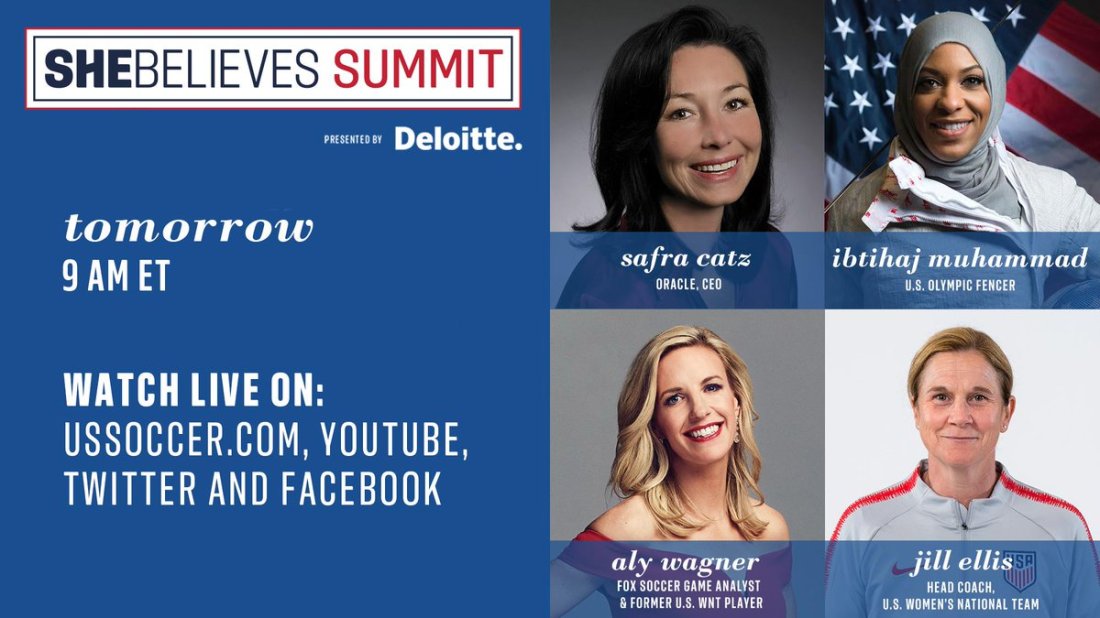
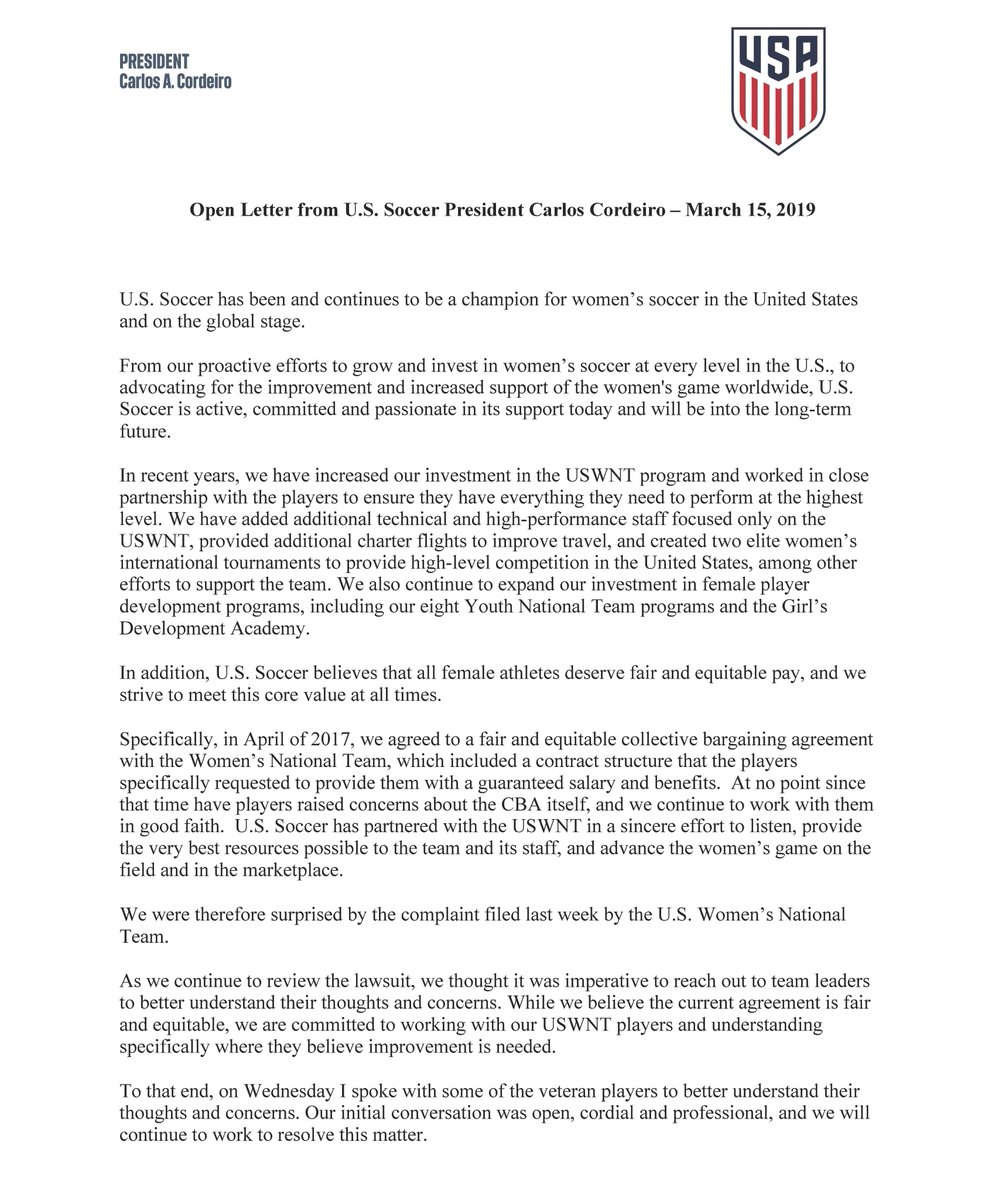
In particular, when focused on the social media accounts (Instagram, Twitter) for the USWNT, there were absolutely no official post addressing the team’s lawsuit against the USSF. Nothing. In the case of Instagram, the post were typically images from practices, highlights endorsements, or player interactive. On March 8th, the account hash-tagged, “happy International Women’s Day,” with images of the team. There wasn’t, and still hasn’t been a word on the lawsuit on the account. Twitter is no different. The account has done two video series involving the players, promoting them and the road to the world cup. There is a timeline of highlights, information on endorsement deals, and rewards for player recognition. Similarly, as with the Instagram account, it references International Women’s Day, by further endorsing a special summit planned for the next day. For the next few days this summit would dominate the timeline. In both cases, the PR team appears to deliberately withhold from enlightening their fan base of the ensuring case. Instead, the topic reverts back to on field performances and the world cup tune-ups. A week after the team’s lawsuit filing, the USSF sent out a note on its social media account addressing the case. A week is a decent amount of time to formulate a formal PR response.
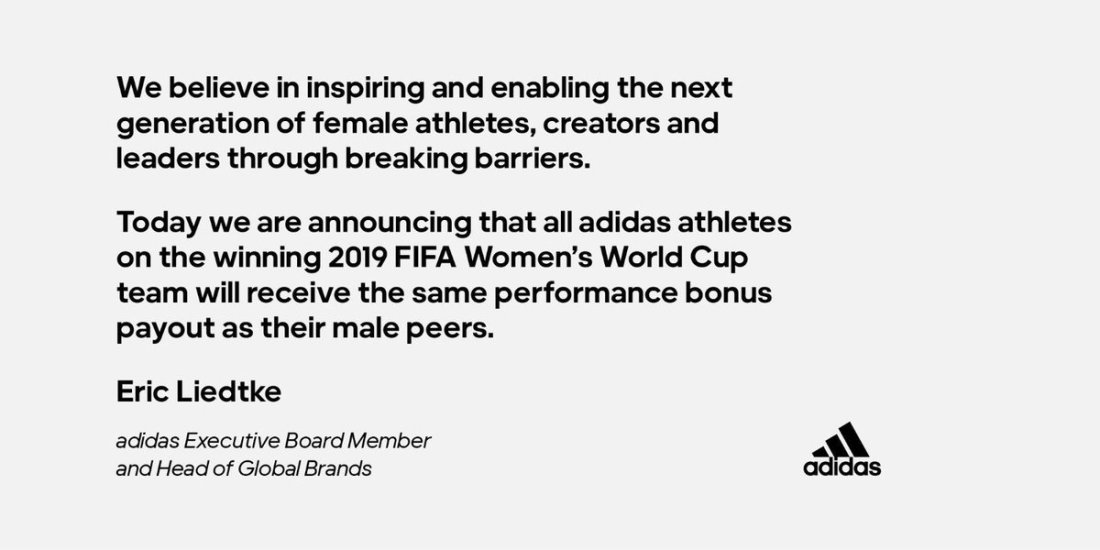
This deliberateness, I felt rung heavier when pieced to sphere of major news. I followed Fox’s coverage, as well as, CBS’s. I’ll start with the latter first, as it’s the shortest. CBS had one news article on the team: a podcast interview with Alex and Megan speaking on their case. Though the podcast allows the players a platform to explain their cause, it isn’t given day time video coverage. The interview was posted on March 11th, and as today sits the 1st of June, CBS has investigated none. As for Fox, they surely out did CBS by a bunch, coming in with a decent dozen articles referencing the Women’s team this year. In terms of the lawsuit, and the time period of the class, only a handful were within appropriate range. I first state that Fox did not cover anything related to the lawsuit. Nonetheless, it was what had gotten coverage and their headlines that drew my attention. Fox found it not necessary to address the lawsuit, however, did make light of an endorsement deal signed for the women’s team with headspace, a mental stimulus app. Beyond that two headlines read, “Alex Morgan plans to decline any white house invite,” and, “Megan Rapinoe says she will probably never sing the national anthem again.” It’s interesting how out of context the headlines are, as well as, the negative imagery it formulates. When read out of context, it appears that American players on the National American team are unpatriotic, “disrespecting” the top office of the nation, and the song representing its independence. Doesn’t appear major news companies found the lawsuit important or warrant in my opinion.
On a positive note, two publications, ESPNW, and Sports Illustrate, elevated the action of the team as important to the future of sports, and more specifically, women sports. Sport Illustrate was the more consistent of the two, bringing light to the situation through publications; interviews, video post, and repost of other’s insight. Espn W on the other hand, was my introduction into the case. The site had a very detailed article of the motives and implications of the case. Unfortunately, the biggest stage, the world cup, doesn’t start until the second week of June. I expect the players to advocate during the tournament as the defending champions, and a more expansive and honest dialogue on their mission.

 USWNT Lawsuit Media Portfolio